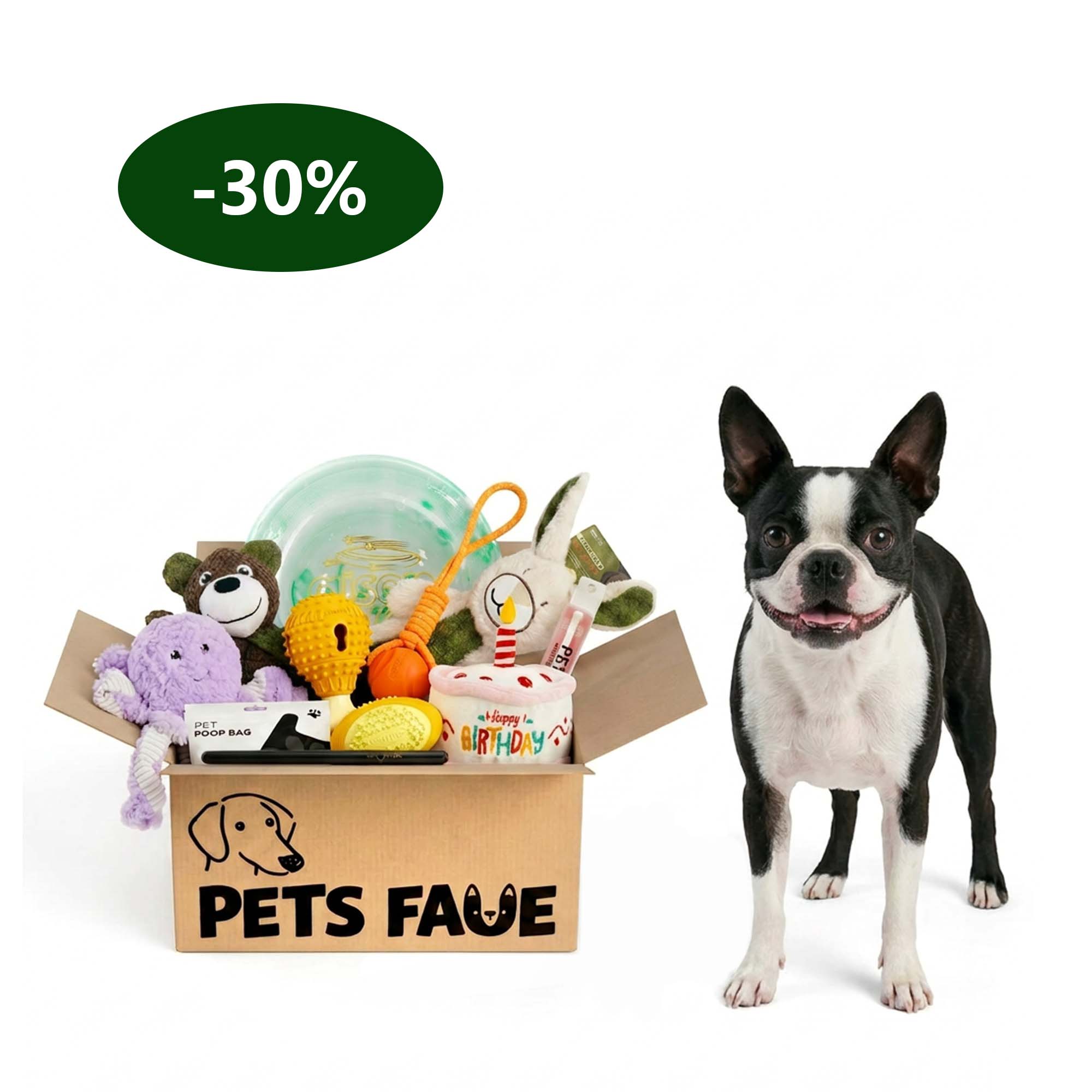
A toy enters the house looking like a product.
A few days later, it may already have a job.
It gets carried from room to room.
It appears after dinner.
It is pushed into your leg during a meeting.
It is searched for at 8:17 p.m. with surprising seriousness, as if the dog has a standing appointment and you are now making everyone late.

At that point, it is usually no longer “just a toy.”
That is the part people often miss. A toy is not important only because it keeps a dog busy for a while. In everyday life, it can become something much more useful: an outlet, a routine, a point of comfort, a shared activity, or a very practical way to get a dog’s attention without turning everything into a disagreement.
And attention matters more than people sometimes realize.
A great deal of guidance is really about attention. What is the dog looking at? What is she moving toward? What is pulling her in? What can she come back to? In that sense, a toy can be one of the easiest openings for communication. It gives both dog and human something to focus on together. Instead of only saying, “Don’t do that,” you suddenly have a much clearer alternative: here, do this instead. Grab this. Chase this. Carry this. Come back to this with me.
Used well, a toy can turn correction into redirection.
It can also become an outlet. Some dogs need to grab, shake, chase, tug, dissect, or keep returning to the same little action pattern. When that energy lands on the wrong object, people see “bad behavior.” When it lands on the right object, the whole picture changes. The dog is often not trying to be difficult. She is trying to do something that feels natural, satisfying, and physically right to her.
That is also why a damaged toy is not always a failed toy. People can get understandably attached to keeping things neat, intact, and presentable. Dogs are often less invested in that standard. For some of them, tearing, pulling apart, and working through the object is part of the reward. The toy was not ruined on the way to the experience. For that dog, the dismantling may have been the experience.
Then there is routine. Some toys get absorbed into the structure of the day: the after-walk toy, the evening settle-down toy, the one that appears when guests leave and the house gets quiet again. At that point, the toy is not just entertainment. It has become part of how the dog organizes time, attention, and transition.

Some toys also become social. A dog brings one to you, drops one at your feet, presses one into your lap, or stands there very clearly suggesting that everyone now has a shared responsibility. The object matters, but so does what it starts: invitation, interaction, a familiar exchange, a tiny piece of relationship.
Of course, none of this means a toy works automatically just because it exists.
Using toys well matters. Safety comes first, but “non-toxic” does not mean “magically safe no matter what happens next.” Most toys are best used with a person present—or at least nearby—because dogs can destroy things with astonishing speed once they are truly committed. Wear is not the problem by itself. But a toy that has been torn open, broken apart, or reduced to suspicious loose pieces can quickly stop being enrichment and start becoming a situation.

So yes, toys matter.
But not because they are colorful, clever, or easy to buy.
They matter because, in the right place and used the right way, they can help a dog do something useful, and help a person stay part of that process.
And that is usually when a toy stops being just a toy, and starts becoming part of daily life.