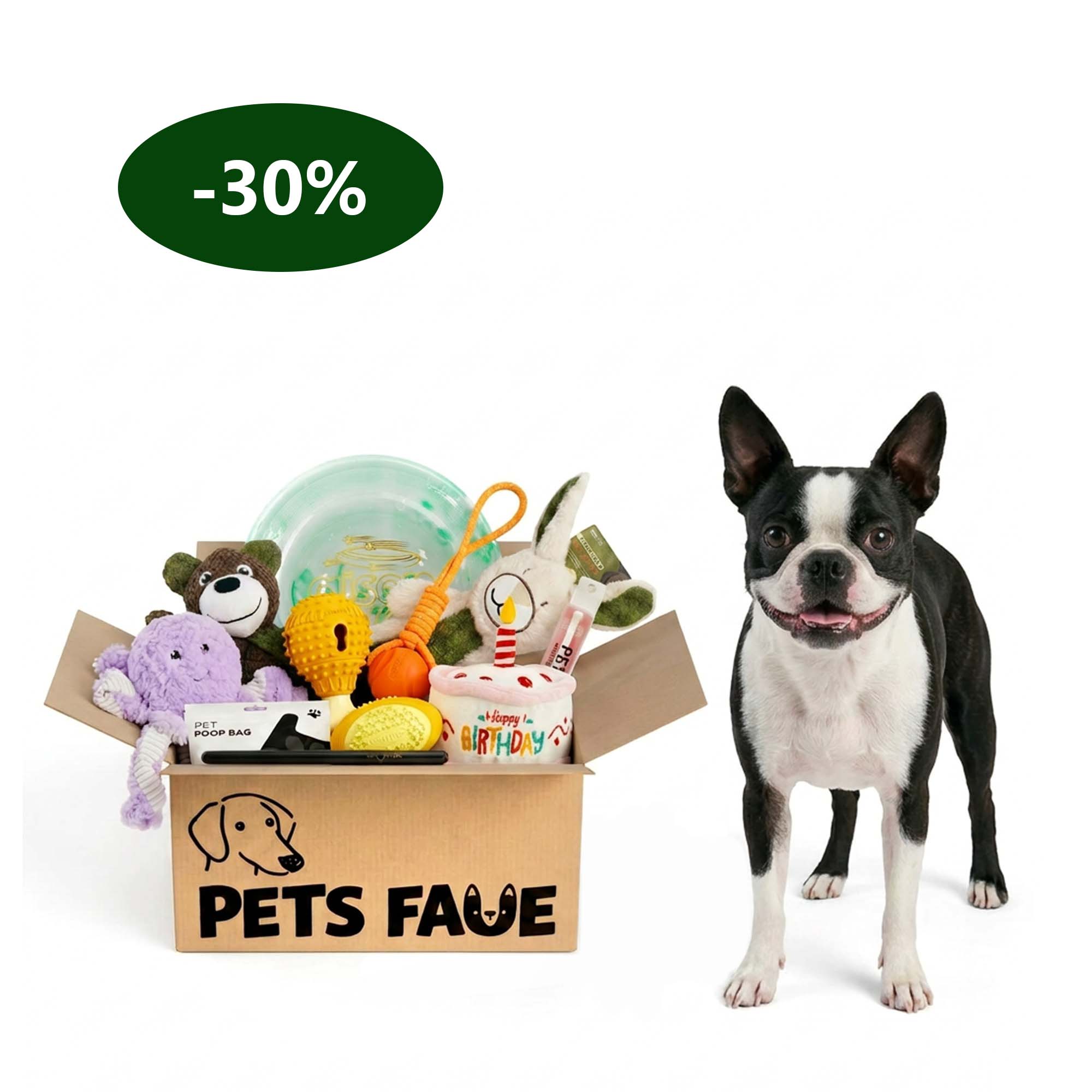
You buy a plush toy.
It lasts twelve minutes.
The squeaker is gone.
The stuffing is everywhere.
What started as a small tear somehow turned into a full excavation.
You look at your dog.
Your dog looks… satisfied.

Not every dog was bred to treat a toy gently. Some were bred to grab, shake, and finish what they caught.
Terriers, for example, were developed to hunt and kill vermin on farms. They weren’t meant to poke at prey politely. They were meant to commit. Shake hard. Bite down. Keep going until the job was done.
That tendency doesn’t disappear just because the “prey” now has a barcode.
Predatory behavior in dogs follows a simple pattern: notice it, chase it, grab it, bite it, pull it apart. Different breeds emphasize different parts of that sequence. Retrievers are often content with grabbing and carrying. Terriers are more likely to keep going.
Same toy. Different outcome.
And from your dog’s point of view, the plush toy makes a very convincing target.
It resembles prey.
The squeaker sounds like prey.
The soft exterior invites gripping and shaking.
If you were trying to design something that triggers those behaviors, you’d probably end up with something very similar.

Not dramatic.
Just satisfying.
The instinct itself isn’t the issue. The tension usually starts when there’s no appropriate place for it to go.
If every attempt to grab, shake, or tear is constantly interrupted, the urge doesn’t disappear. It waits.
And eventually, it finds something else.
This doesn’t mean every plush toy is doomed. It means knowing what kind of dog you have.
Some dogs carry.
Some dogs collect.
Some dogs dismantle.
When you know which one is living in your house, the stuffing feels less dramatic.
It’s just your dog being your dog.